

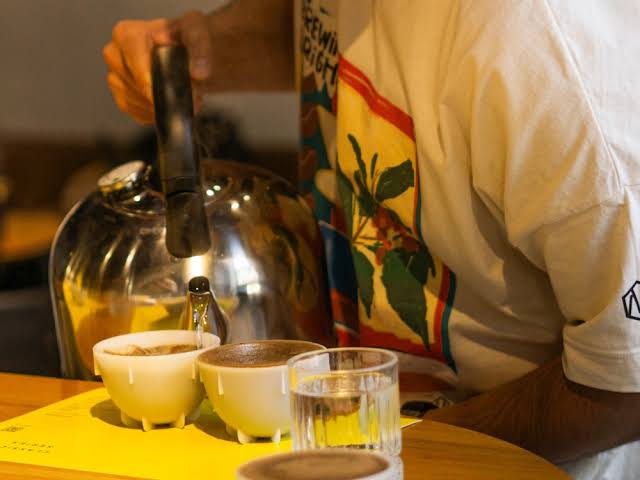
Most people don’t realize that Romania has one of Europe’s most fascinating coffee cultures. It’s a place where ancient Ottoman traditions collide with modern specialty coffee in surprising ways.
And yes, I’m about to tell you all about it.

Romania’s Coffee Culture: Where Ottoman Traditions Meet Modern Brews
When you picture great coffee cultures, you probably think of Italy or Ethiopia. But Romania? It’s a hidden gem in the coffee world.
Romanian coffee culture centers around the strong, unfiltered brew called cafea la ibric (ibrik coffee), which brings people together through almost ceremonial social gatherings. Meanwhile, the urban centers are experiencing a third-wave coffee revolution that rivals any Western European city.
Let’s dig into this fascinating coffee journey, shall we?
From Ottoman Luxury to Communist Substitute
Coffee first arrived in Romania during the 16th century thanks to the Ottoman Empire, which controlled much of the region at that time. Initially, Turkish-style coffee was a luxury only the elite could enjoy.
By the 18th and 19th centuries, the Romanian nobility (called boyars) were all about strong, dark oriental brews. They typically drank it black – no milk, cream, or sugar – often paired with sorbets or dulceata (Romanian fruit preserves similar to jam but way better).
Fun fact: High-class Romanians distinguished between fancy varieties like “Yemeni coffee” or “French coffee,” while the regular folks made do with simpler blends.
The 19th century saw the rise of coffee houses as social hubs for gatherings and intellectual conversations. By the early 20th century, French methods like espresso and cappuccino were making their way into Romanian culture.
But here’s where it gets interesting.
During the communist era, real coffee practically disappeared. Instead, Romanians had to drink nechezol – a bitter mix of roasted barley and chickpeas. This sad coffee substitute was used to keep workers awake during endless communist meetings.
Genuine coffee became so rare that instant coffee was considered a luxury item. Despite this, Romanians kept their coffee traditions alive at home, brewing with whatever they could get their hands on.
The Heart of Romanian Coffee: Cafea la Ibric

The star of Romanian coffee culture is cafea la ibric (also called cafea turcească). This traditional preparation method uses a copper pot called an ibric or cezve with a narrow top – perfect for creating that creamy foam called kaimak or crema.
How to Make Authentic Romanian Turkish Coffee
- Fill your ibric with cold water (about 100-210ml for 1-2 cups)
- Add 1-7 teaspoons of super-finely ground coffee (it should be like dust, not sand)
- Add sugar to taste (0-1 tsp is traditional)
- Stir everything together
- Heat slowly on a low flame – never let it fully boil or you’ll ruin the flavor
- Remove from heat as the foam rises (2-3 times)
- Scoop the precious foam into cups first
- Let the grounds settle for 2-3 minutes
- Pour the rest carefully to keep grounds at the bottom
- Serve unfiltered in small cups with a glass of water on the side
The coffee grounds left in the cup aren’t just waste – they’re the foundation for a beloved fortune-telling tradition shared across the Balkans. Friends will read each other’s fortunes from the patterns left behind (though reading your own fortune is supposedly bad luck).
If you’re thinking this sounds a lot like Turkish coffee, you’re right – but don’t tell a Romanian that! Every Balkan country has its own version and claims it as a national tradition.
From Traditional to Third-Wave
After the fall of communism in 1989, Romania’s coffee scene exploded. The country developed a serious love for dark Italian espresso blends, but that was just the beginning.
Today, Romania’s urban centers like Bucharest and Cluj-Napoca have become legitimate coffee destinations with third-wave cafes that would make a Portland hipster feel right at home.
Local roasters like Origo, Steam, and Yume are blending Ottoman heritage with scientific precision. In tech-savvy Cluj, some baristas even track their beans via blockchain!
Young Romanians are driving this innovation, embracing everything from automated brewers to meticulous hand-poured methods. They’re educating customers about specialty coffee and replacing the espresso-or-nothing mentality with a more nuanced appreciation of different brewing styles.
But here’s what’s really beautiful: this isn’t replacing tradition, it’s adding to it. Rural areas still largely stick to the ibric method, while urban youth might start their day with a pour-over but still enjoy cafea la ibric when visiting grandma.
More Than Just a Drink
Coffee in Romania isn’t just a caffeine delivery system – it’s a social glue that bonds generations together.
Even during the harshest communist times, Romanians maintained the tradition of greeting guests with a strong brew and homemade jams. This ritual created space for important conversations and strengthened community ties.
Today, coffee continues to play this vital role. Families share cafea la ibric, friends read fortunes in coffee grounds, and coffee festivals bring enthusiasts together from across the country.
The Romanian coffee culture thrives on this beautiful balance: ancient ibric methods creating perfect foam alongside modern flat whites, Ottoman legacy fueling a new specialty coffee buzz.
So the next time you’re in Romania, skip the familiar chain cafes and order a cafea turcească in a local restaurant. Take your time savoring the rich aroma and complex flavor. Or better yet, visit a local’s home where you might be treated to the full coffee ceremony – it’s an experience you won’t forget.
Who knows? You might even get your fortune told.

